
Development
Why set-piece roles accelerate young defenders' development
Dead-ball duties hand young defenders responsibility with the ball, structure without it and accountability they cannot hide from.
Youth development followed properly: academy structures, relative age effects, loan pathways, coaching badges and the transition years ending careers.
Dead-ball duties hand young defenders responsibility with the ball, structure without it and accountability they cannot hide from.
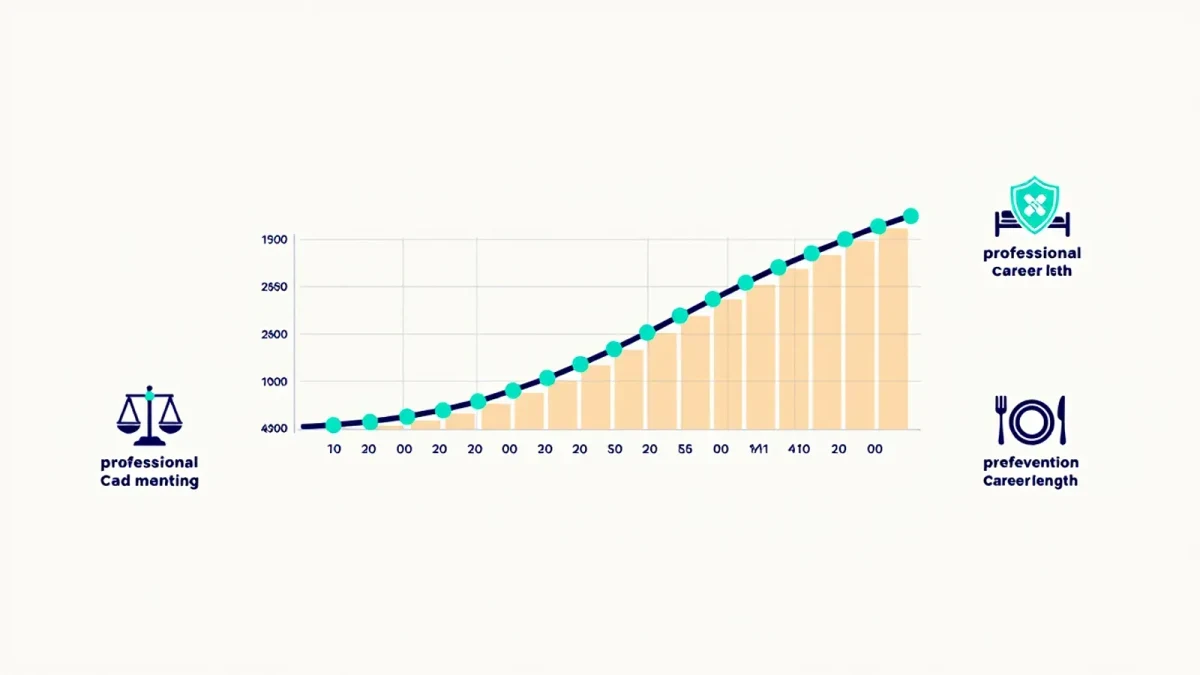
Load management, structured recovery and nutrition have pushed the average professional career longer — one reversible, physical change at a time.
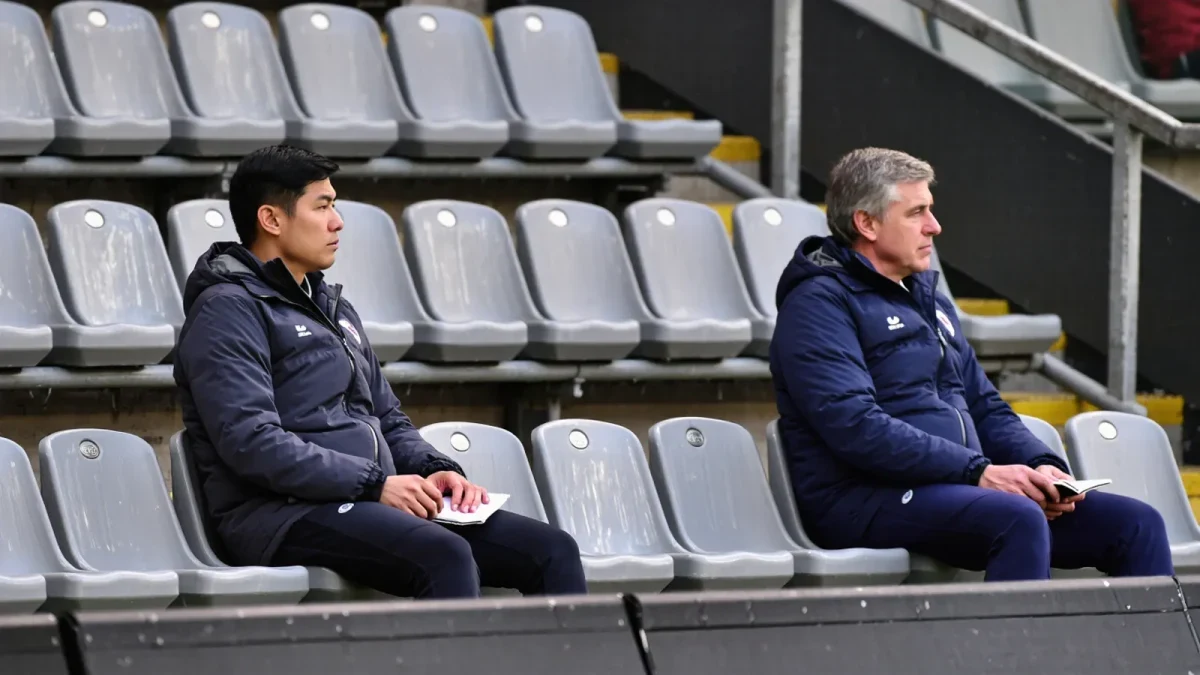
Data narrowed the search, but the final judgement on a player remains human — because the questions that matter are not in the dataset.

Between scholar and squad player sits the hardest career jump in football; hybrid contracts and B teams are the industry's structural answers.

The evidence points the same way: diversified childhood sport builds better senior athletes and longer careers than early single-sport commitment.
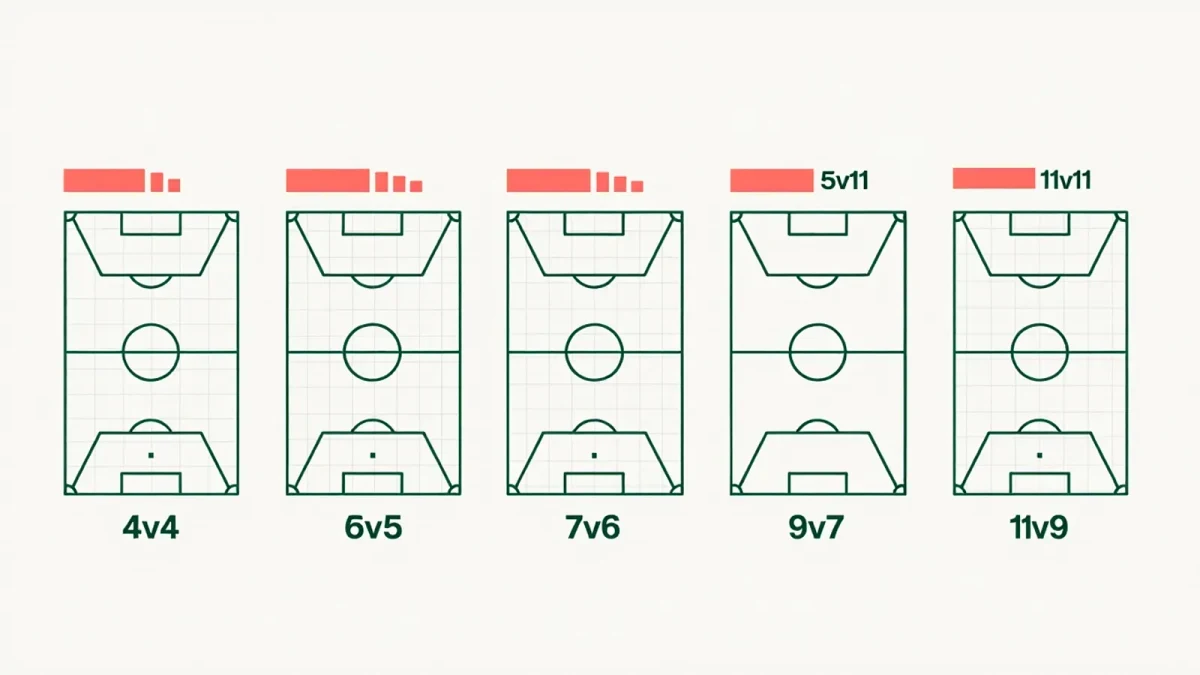
Fewer players, smaller pitches and more touches per minute make small-sided games the most efficient known environment for training decisions.