Sport News
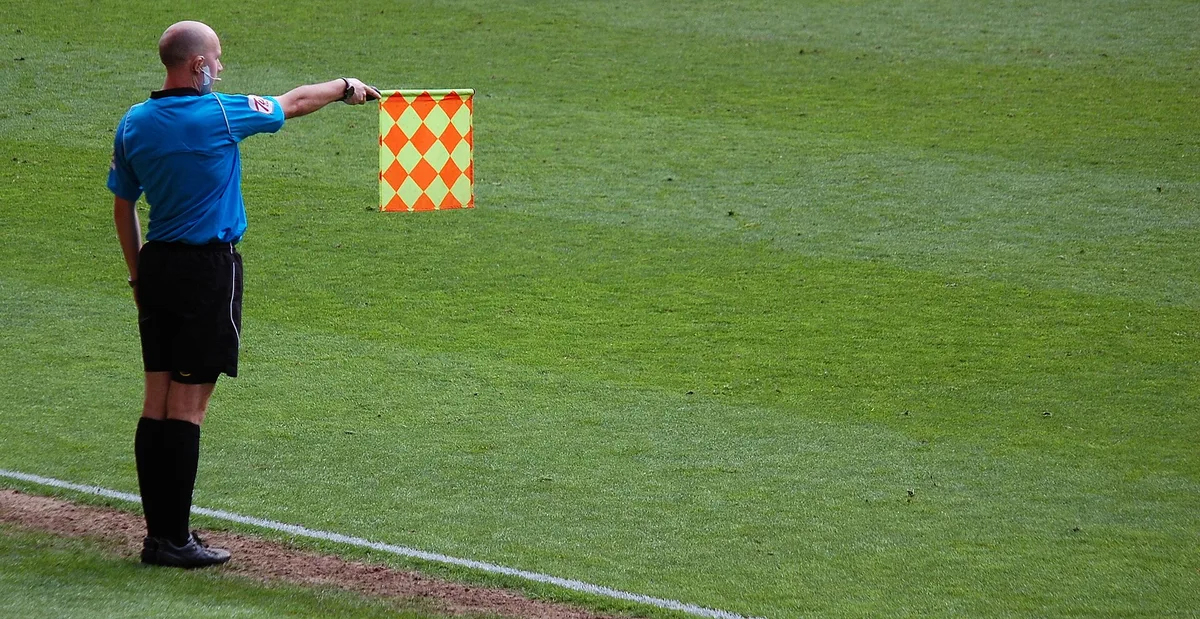
How Offside Traps Expose Defensive Timing Gaps in Pressing Systems
An offside trap bets everything on shared timing. Here is how traps work inside pressing systems and where the timing gaps appear.
Tactical mechanics in detail: build-up structures, pressing triggers, defensive shape, transitions and the set-piece routines coaches actually drill.
An offside trap bets everything on shared timing. Here is how traps work inside pressing systems and where the timing gaps appear.

Two 4-0 teams open ACC play at Lane Stadium, and the game likely turns on turnovers and trench play.
A short verification routine that separates confirmed reporting from rumor before you share it.

A tour of the trucks, desks and replay machines that turn ninety minutes of football into the picture on your screen.

The low block — a compact defensive shape deep in a team's own half — keeps producing upset results because it attacks space, not possession, and space is what better teams leave.

The double pivot — two holding midfielders screening the defense — solved modern pressing by giving buildup a spare man, and the game's best documented dynasties ran through one.