The offside trap is one of the boldest moves in football. A whole defensive line steps forward at the same instant, betting on one shared heartbeat. When it works, an attack dies without a tackle. When it fails, the attacker walks through on goal.
Inside a pressing system, the trap is not a party trick. It is part of the press itself. And it quietly exposes how well a defence really times its movements.
The Rule Behind the Trap
Offside is codified in Law 11 of the Laws of the Game. A player stands in an offside position when they are in the opponents' half and closer to the goal line than both the ball and the second-last opponent. The hands and arms do not count in that judgment. Being in that position is not an offence in itself.
The key detail is timing. Offside is judged at the moment the ball is last touched by a teammate. Everything a defender does before that moment decides whether the trap catches the runner or frees them. We covered a connected angle in How Virginia Tech can beat Pittsburgh: three keys before Friday night.
How a Trap Fits a Pressing System
A press tries to force hurried, long passes. Classic defensive principles allow a team to abandon depth for a moment and set an offside trap. The logic fits the press perfectly. If the pressing shape pushes the opponent into a rushed forward ball, a stepped-up line turns that ball into a free kick.
The trap also solves a spacing problem. A high line leaves space behind it. Defenders cannot cover that space by dropping off, because dropping off breaks the press. Stepping up in unison is the only way to defend the space and keep the press alive at the same time. For related coverage, see How stadium naming deals actually work behind the signage.
Where the Timing Gap Appears
The trap demands that every defender steps at the same instant. One player half a beat late leaves one attacker onside, and the whole line is beaten. This is where pressing systems show their cracks, because the press itself creates the chaos. Defenders sprint, turn, and scan while tired, and tired legs misjudge steps.
Attackers know the rule as well as the defenders do. Well-timed passes and fast running can take an attacker from an onside position into the space behind the line, because the judgment happens when the ball is played. The trap punishes any delay, and rewards any runner who starts on the right side of it.
Why the Bet Is So Extreme
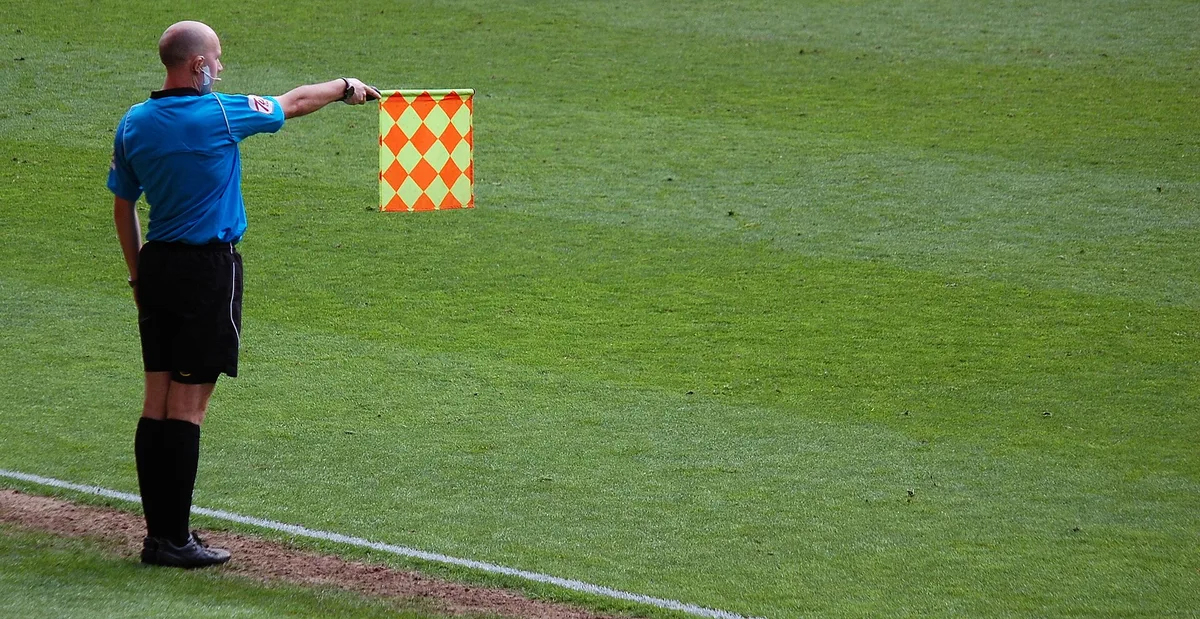
No other defensive action fails so completely. If a tackle misses, the defence still has layers behind it. If a trap fails by a single step, the attacker collects the ball behind every defender with no one between them and the goalkeeper. Officiating adds another layer of tension, because these calls can be a matter of only centimetres or inches.
That is why the trap is a mirror of a team's training. A unit that steps as one shows hours of shared work. A unit that steps in drags reveals the timing gap the whole system is built to hide.
Conclusion: One Step Between Genius and Disaster
The offside trap compresses everything a pressing system believes into a single step. It needs shared timing, trust, and total agreement about when the ball will be played. When the timing holds, the press wins a free kick and the crowd barely notices. When it slips, the gap that stayed hidden all match suddenly shows up on the scoreboard. That is the price of defending on the edge.