Sport News
How stadium naming deals actually work behind the signage
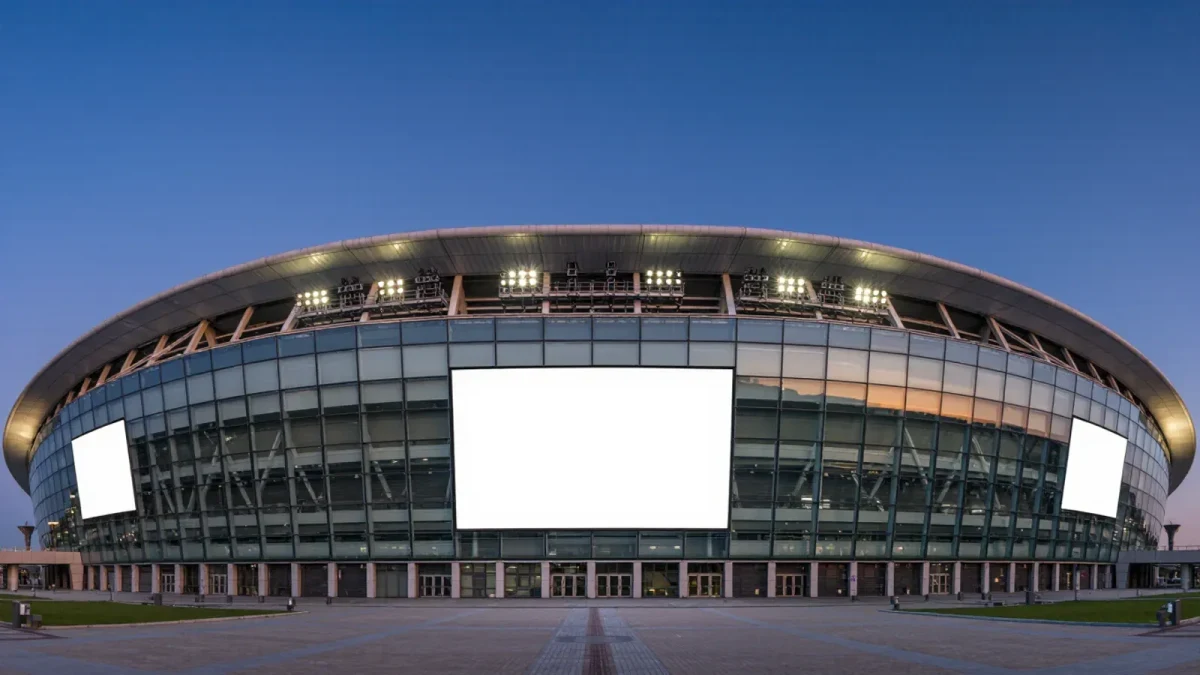
Naming rights look like a simple logo on a roofline, but the real agreement is a bundle of term lengths, escalators, exit clauses and regulatory tests.
Tactical mechanics in detail: build-up structures, pressing triggers, defensive shape, transitions and the set-piece routines coaches actually drill.
Naming rights look like a simple logo on a roofline, but the real agreement is a bundle of term lengths, escalators, exit clauses and regulatory tests.

Record attendances, mainstream broadcast slots and a normalised domestic calendar combined to turn women's football from a niche product into one of the sport's growth stories.

Networks of clubs under shared control rebuilt the transfer market's plumbing, moving players along internal pathways and forcing regulators to rewrite loan and integrity rules.

Direct-to-consumer channels and club-owned media gave teams a way to sell their own matches and programming, which quietly rewired how broadcast contracts are priced and structured.

Live match data turned into a licensed asset worth billions, and the fight over who may collect and sell it has reshaped the relationship between leagues, clubs and data companies.