Football fanzines moved from photocopiers to podcasts because the medium was always disposable and the voice was not. The fanzine boom of the late 1980s and early 1990s produced hundreds of titles in Britain alone — the Football Fans Census and subsequent supporter surveys counted well over a thousand fanzines at the culture's peak — sold outside grounds for coins, written by fans who were precisely as qualified as that sounds. When print costs, distribution and the internet squeezed the pamphlets, the same writers, arguments and jokes reappeared in blogs, forums and eventually podcasts. BBC Sport has repeatedly traced this lineage in its features on supporter media, and the through-line is unmistakable: the format died, the editorial sensibility survived.
What was the original fanzine actually for?
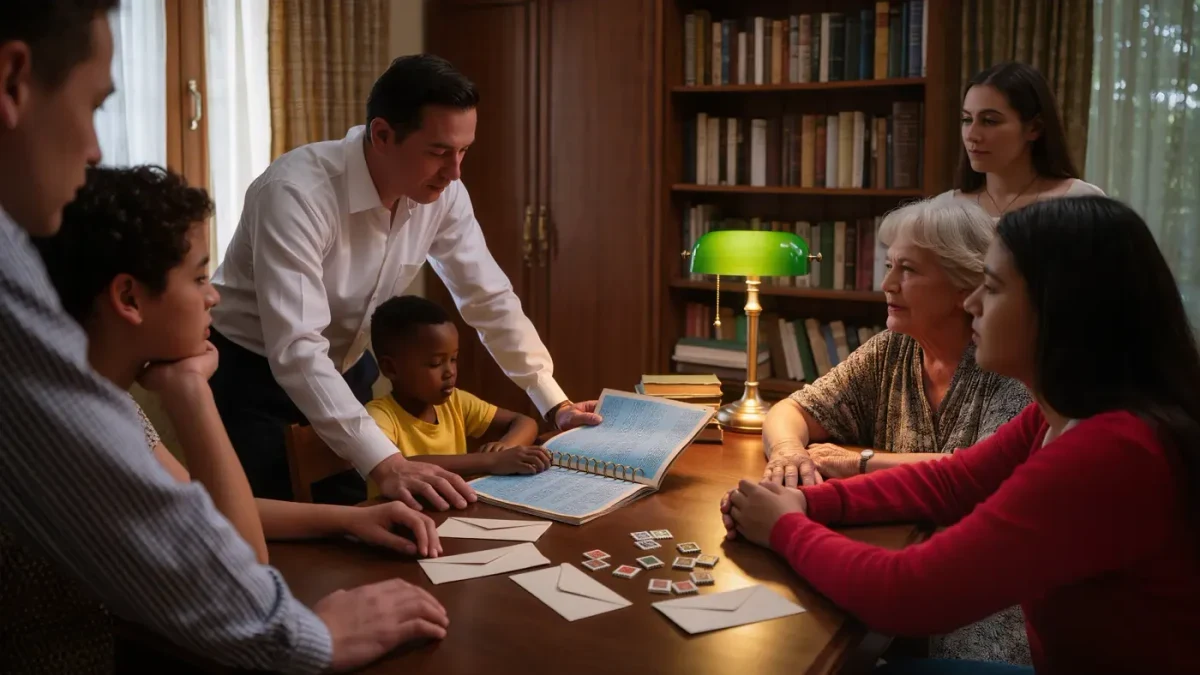
Complaint, mostly, with jokes. Fanzines emerged when supporter opinion had no other channel — no talk-radio slots for ordinary fans, no club communication beyond a programme note, and plenty to complain about: hooliganism coverage, ticket prices, stadium neglect, club owners. The fanzine was a self-published correction to the official record, sold outside the turnstiles by the people who wrote it. Its grammar was collage: match reports next to satire next to letters next to a cartoon, photocopied and stapled by hand. Circulations ran from dozens to tens of thousands for the biggest titles, and the best writing from that era was good enough to migrate into national newspapers.
- Agenda: anti-establishment, pro-supporter, suspicious of both the club and the press.
- Production: photocopier, stapler, volunteer labour.
- Distribution: outside the ground on match day.
- Tone: insider humour, gallows wit, no respect for reputations.
Why did the print fanzines decline?
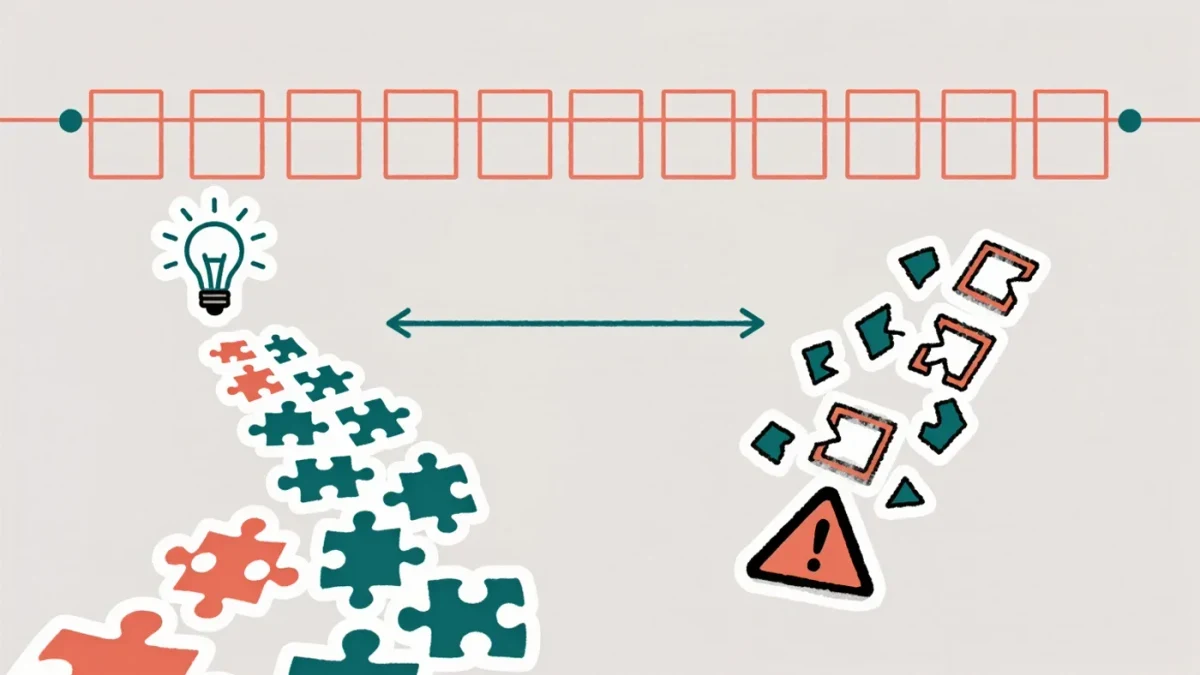
Three squeezes at once. Print and postage costs rose while the audience aged; the internet gave the same arguments instant distribution for free; and the things fanzines had campaigned for — supporter consultation, independent fan media, a voice in club decisions — were partially won, which paradoxically removed some urgency. By the 2010s most titles had shrunk, gone online or folded, though a resilient minority kept printing precisely because paper had become a statement. The decline was economic, not editorial: nobody stopped wanting to read a supporter's-eye view of their club. The audience simply moved, and the writers followed it.
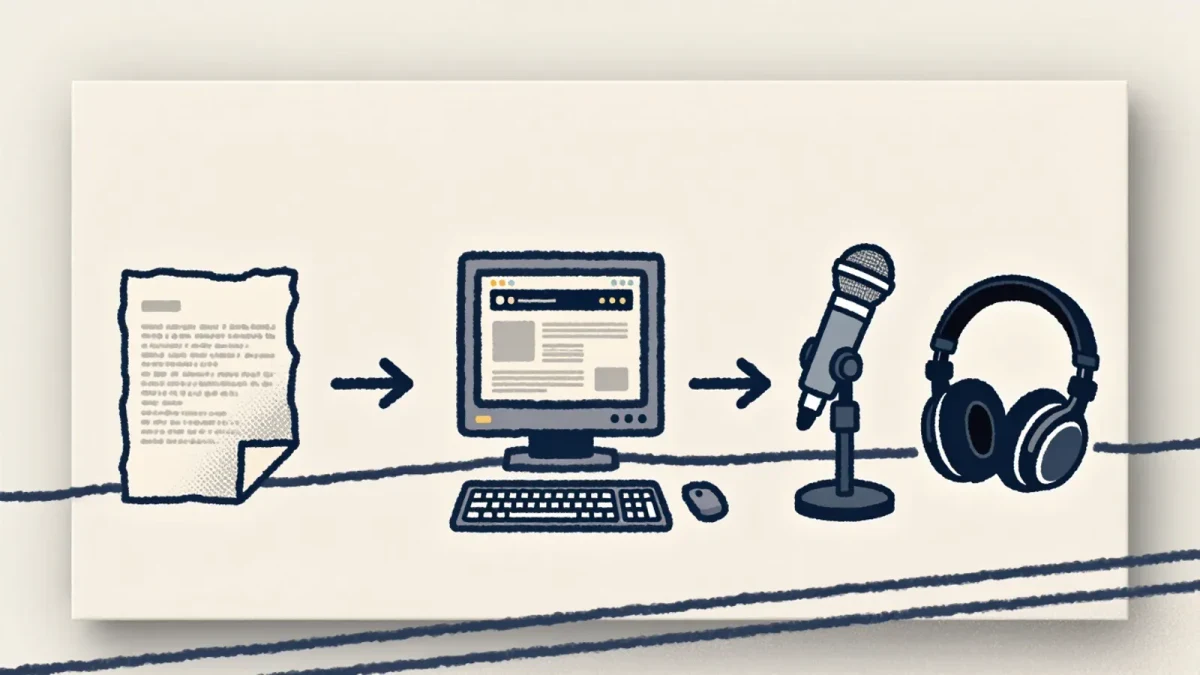
The fanzine was a self-published correction to the official record. The podcast is the same correction with better audio quality.
What did fanzine culture carry into podcasting?
Almost everything except the staples. The football podcast ecosystem that exploded from the mid-2010s is recognisably fanzine grammar in audio: long-form club-specific shows, insider humour that assumes you know the squad numbers, open contempt for lazy media narratives, and hosts who are fans first and broadcasters second — or not at all. The successful club podcasts are frequently made by people who wrote for or edited fanzines, or by a second generation raised on them. Even the business model rhymes: subscriptions and donations from a dedicated minority, the digital equivalent of coins outside the turnstile. What the podcast added is reach and permanence — a fanzine sold a few hundred copies outside one stadium; a club podcast can address the global diaspora of that club's support every week.
Fanzine vs podcast: what changed
| Feature | Print fanzine | Club podcast |
|---|---|---|
| Production cost | Photocopying, staples | Microphone, editing software |
| Audience | Match-day locals | Global diaspora |
| Shelf life | One month | Permanent archive |
| Revenue | Coin sales | Subscriptions, donations, ads |
| Voice | Insider, satirical | Unchanged |
Did anything get lost in the switch?
The gatekeeping, mostly, and that cuts both ways. A fanzine editor decided what went in, which kept a house style and a standard of judgement; a podcast feed can be started by anyone, which democratised the medium and flattened it simultaneously. The physical object also did quiet work that audio cannot: a fanzine was sold outside the ground, on match day, face to face — a small street-level economy of supporters meeting supporters. The podcast listener at home, wherever home is, gets the content without the encounter. A minority of podcasts and revived print titles understand this and organise live shows and in-person recordings to restore the room.
Why does the fanzine voice still win audiences?
Because authenticity is the scarcest asset in football media. Clubs produce their own polished content; broadcasters need access; national outlets must serve neutral readers. The fanzine tradition — and its podcast descendants — are the only part of the ecosystem with no incentive to be polite about a bad signing, a ticket-price rise or an owner's statement. Readers and listeners can hear the difference immediately. It is the same reason the photocopied pamphlets sold out outside grounds in 1990: when everyone else's coverage of your club is written by visitors, the publication written by people who will still be there next season earns a trust that no budget can buy. The stapler rusted; the voice did not.
Why do fanzine conventions still shape football media style?
Because the tone became the genre. The fanzine voice — second person, club-specific in-jokes, mock-formal satire of club statements — is now the default register of fan YouTube channels, social media accounts and a whole tier of podcasting that national outlets quietly imitate. Editorial habits travel with it: the letters page became the listener voicemail segment; the guest column became the rotating fan-pundit slot; the end-of-season awards spoof became an annual episode format. Media academics studying participatory journalism treat the fanzine as one of the clearest pre-internet examples of user-generated content, and its editorial DNA is traceable in every platform where supporters talk to supporters without a professional intermediary. The photocopier is gone. The house style it produced is now read, heard and watched by audiences the original editors never imagined and would probably distrust on principle.