
Analysis
How PPDA measures pressing intensity and what it misses
Passes allowed per defensive action is football's simplest pressing number, and its most misunderstood.
Match and season analysis combining video study with data: shape changes, pressing success, chance quality and where a result was actually decided.
Passes allowed per defensive action is football's simplest pressing number, and its most misunderstood.

Beating pressure with the first touch and the next pass keeps attacks alive more reliably than beating a man one-on-one.
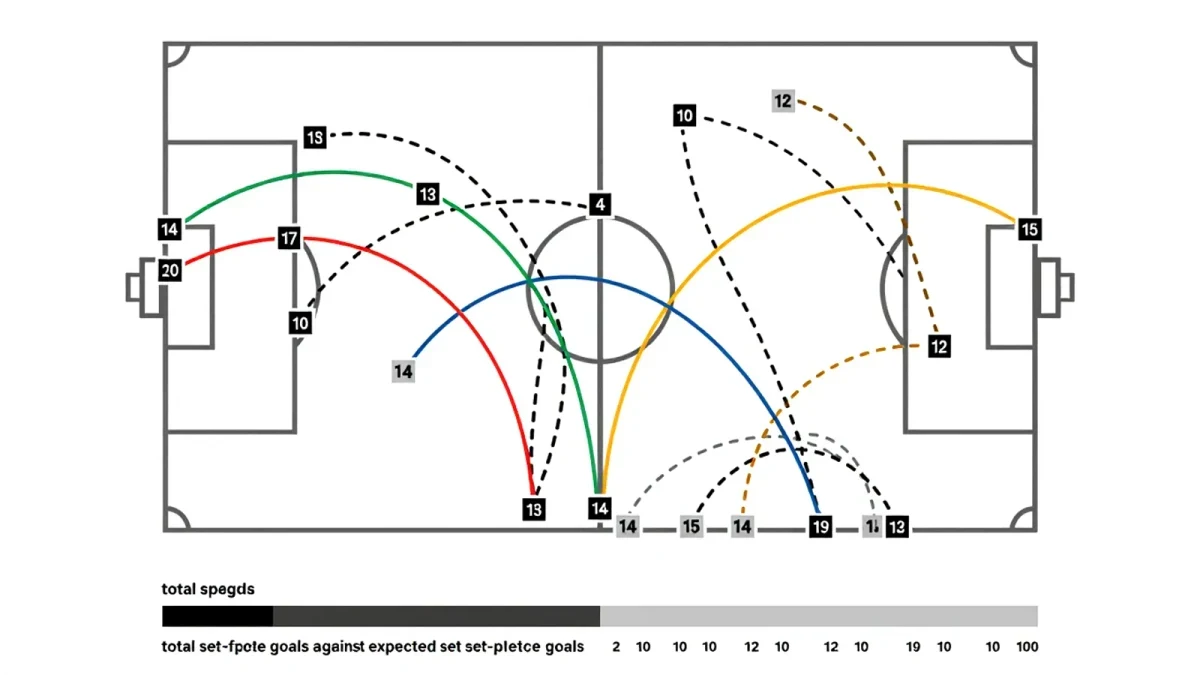
Dedicated set-piece coaches have turned dead balls from a marginal part of training into one of the most measurable edges in the sport.

Coaching fashions rotate, but the rectangle at the edge of the box keeps producing the game's most valuable touches — and the data has never really argued otherwise.

Expected goals measures chance quality, not conversion — and treating a striker's xG as a verdict on his finishing quietly ignores everything the model was never built to see.
A back three does not simply add a defender — it multiplies the demands on the two widest players, who must be attackers, defenders and midfielders in the same movement.