
Analysis
Why a back three requires specific, not generic, wingbacks
A back three does not simply add a defender — it multiplies the demands on the two widest players, who must be attackers, defenders and midfielders in the same movement.
Match and season analysis combining video study with data: shape changes, pressing success, chance quality and where a result was actually decided.
A back three does not simply add a defender — it multiplies the demands on the two widest players, who must be attackers, defenders and midfielders in the same movement.
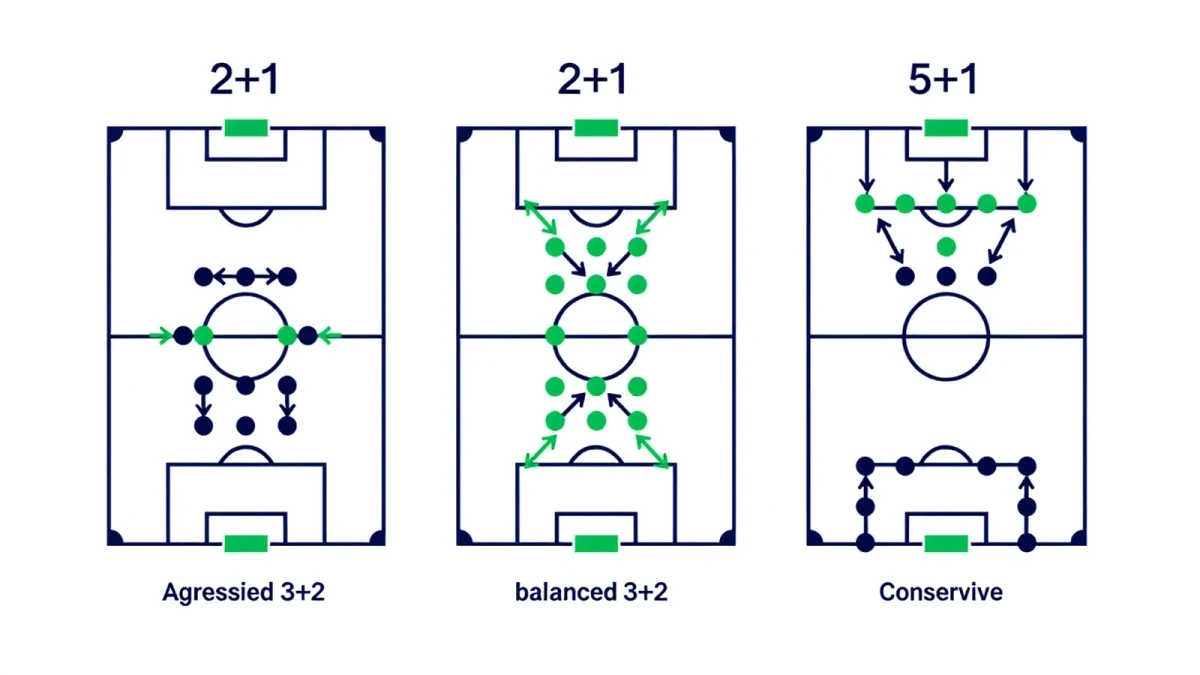
The structure a team leaves behind the ball when it attacks — its rest defence — decides almost everything about how badly it can be hurt on the break.
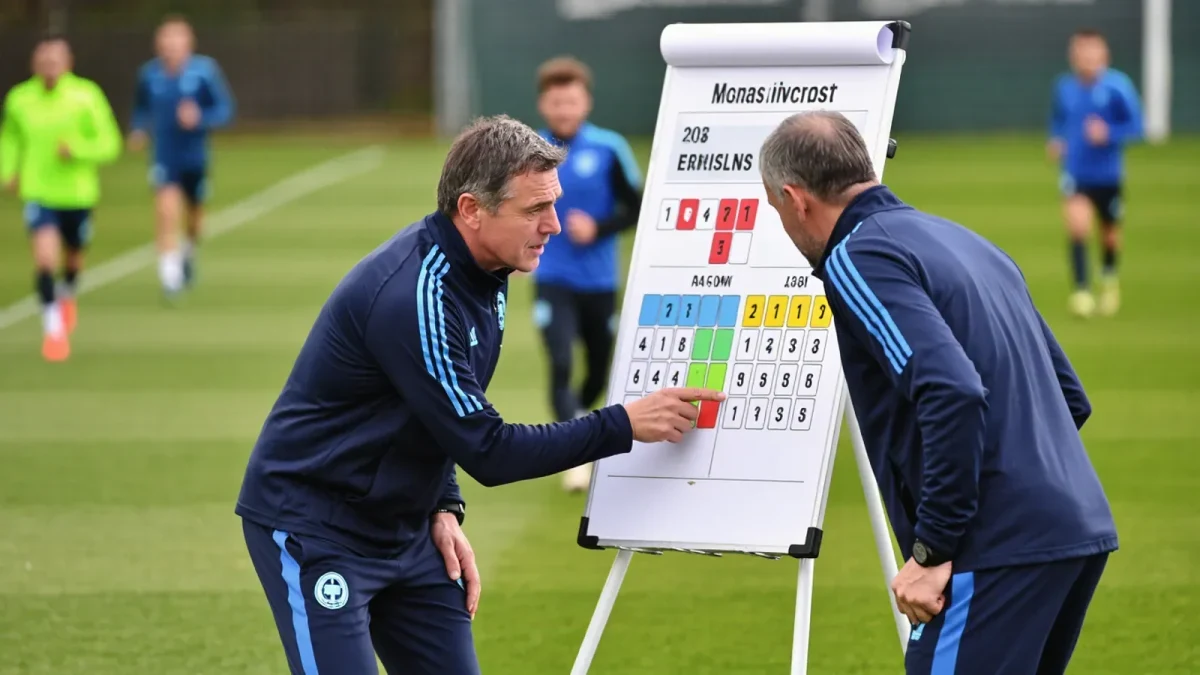
Pressing traps are built to hunt the ball in packs, and a lone striker starves them of the numbers they need to close it down.