Athlete-owned media ventures multiplied because athletes watched traditional media monetise their stories and decided to cut out the middleman. When Cristiano Ronaldo launched a YouTube channel in August 2024, the BBC reported it became the fastest-growing channel in the platform's history, passing tens of millions of subscribers within weeks. If one athlete, with no media company behind him, can build an audience that size overnight, the commercial logic of renting access to publishers collapses.
Where did the model come from?
The blueprint is roughly a decade old. Derek Jeter founded The Players' Tribune in 2014 to let athletes publish first-person stories without journalists framing them. LeBron James built Uninterrupted from 2015 as a platform for athlete storytelling, and later co-produced programming including The Shop. Tom Brady launched a production company in 2020, and Peyton Manning's Omaha Productions followed, partnering with ESPN on shows and documentaries. These ventures proved two things: audiences would follow athletes into owned channels, and established networks would buy athlete-produced programming rather than compete with it.
Why did the economics tip?
Three forces converged. First, distribution became free, since YouTube, podcast apps and social platforms carry content to global audiences without a broadcaster's gatekeeping. Second, athlete audiences became direct assets, measured in subscribers rather than newspaper circulations, and sponsors followed the numbers. Third, the talent market changed, because athletes saw media equity as a career-lengthening asset that appreciates after retirement. A playing career ends; an audience, maintained, does not.
- Distribution costs fell to nearly zero on global platforms.
- Sponsorship money follows verified audience metrics, not media prestige.
- Owned IP libraries keep earning long after retirement.
- Production costs dropped as editing and small crews professionalised.
What kinds of ventures are athletes building?
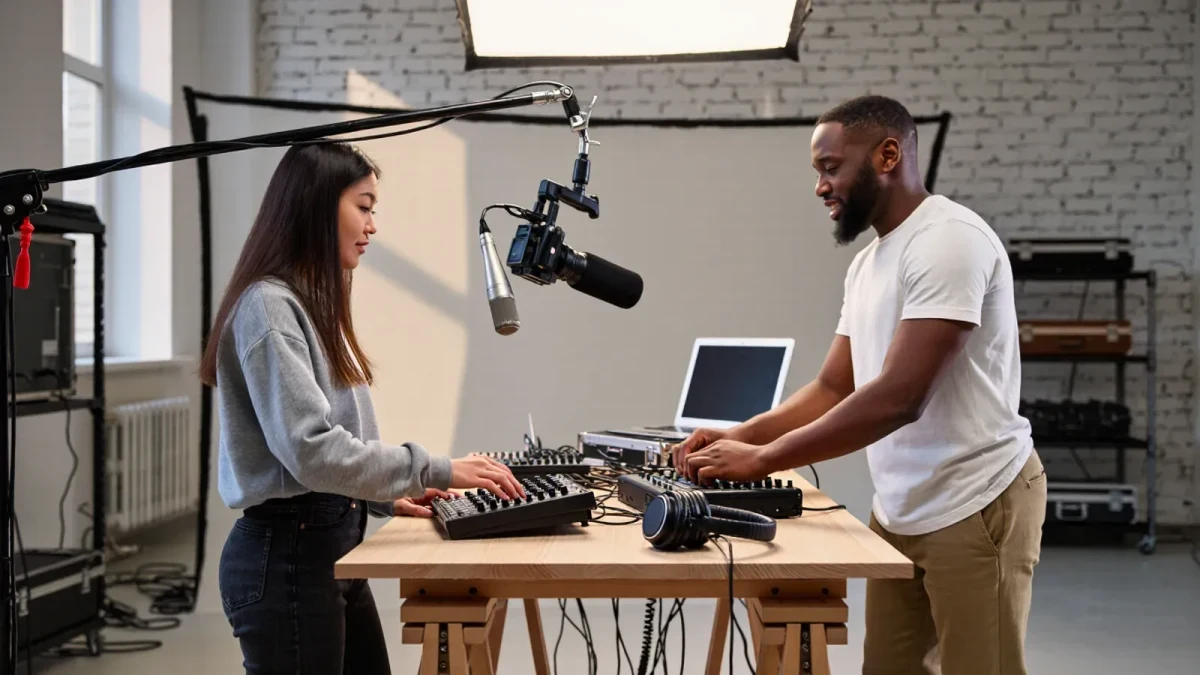
The formats cluster into four groups. Production companies develop documentaries and unscripted series for networks and streamers, with Omaha Productions the cited success story. Podcast networks put athletes behind microphones with full editorial control, and several football podcasts built by current and former players have outdrawn traditional radio shows. Direct channels, like Ronaldo's YouTube operation, monetise raw reach through platform revenue and sponsorship. And investment vehicles increasingly bundle media assets, since athlete-led groups have even bid for sports properties themselves, converting audiences into ownership positions. The through-line is control: of narrative, of rights and of the revenue both produce.
How do clubs and leagues respond?
With a mixture of encouragement and friction. Clubs welcome the audience growth athletes bring, and many now coordinate sponsor categories so player channels and club partners do not collide. Leagues adjusted media rights to carve out space for player-generated content, because a league that bans phones in the dressing room simply pushes its stars' content off-platform. Tension survives around access: an athlete who runs his own media operation no longer needs press conferences to reach fans, which weakens the traditional media economy that covers the sport daily. The balance being negotiated through the mid-2020s gives leagues reach and athletes ownership, with clubs taking a facilitation fee wherever possible.
| Venture type | Example model | Revenue source |
|---|---|---|
| Production company | Documentaries and series for networks | Licensing and production fees |
| Podcast network | Athlete-hosted shows | Advertising and sponsorship |
| Direct channel | Owned video platforms and social | Platform revenue and endorsements |
| Media investment vehicle | Equity stakes in sports properties | Appreciation and rights income |
What are the risks?
Audience loyalty attaches to performance, and retired stars routinely see engagement decay without competitive relevance. Editorial control cuts both ways, since athlete-owned outlets face credibility questions when they cover controversies involving their owners, as The Players' Tribune's soft-touch reputation demonstrated early. Sponsorship dependence concentrates risk in a single revenue line, and platform algorithm changes can strand a channel that took years to build. The ventures that endure tend to professionalise quickly, hiring real editors and producers and separating the athlete's personal brand from a publishing operation that can outlive him.
Why will the trend continue?
Because every incentive points the same way. Athletes control distribution, sponsors want verified audiences, platforms want premium personalities, and fans prefer unmediated access. The Ronaldo channel simply made the ceiling visible to every athlete with a phone and patience. Media ownership moved from a retired star's hobby to an active player's balance sheet, and the next generation enters professional sport expecting to build a media business the way earlier generations expected to do boot deals. The publisher no longer owns the story; the subject does.