Clubs
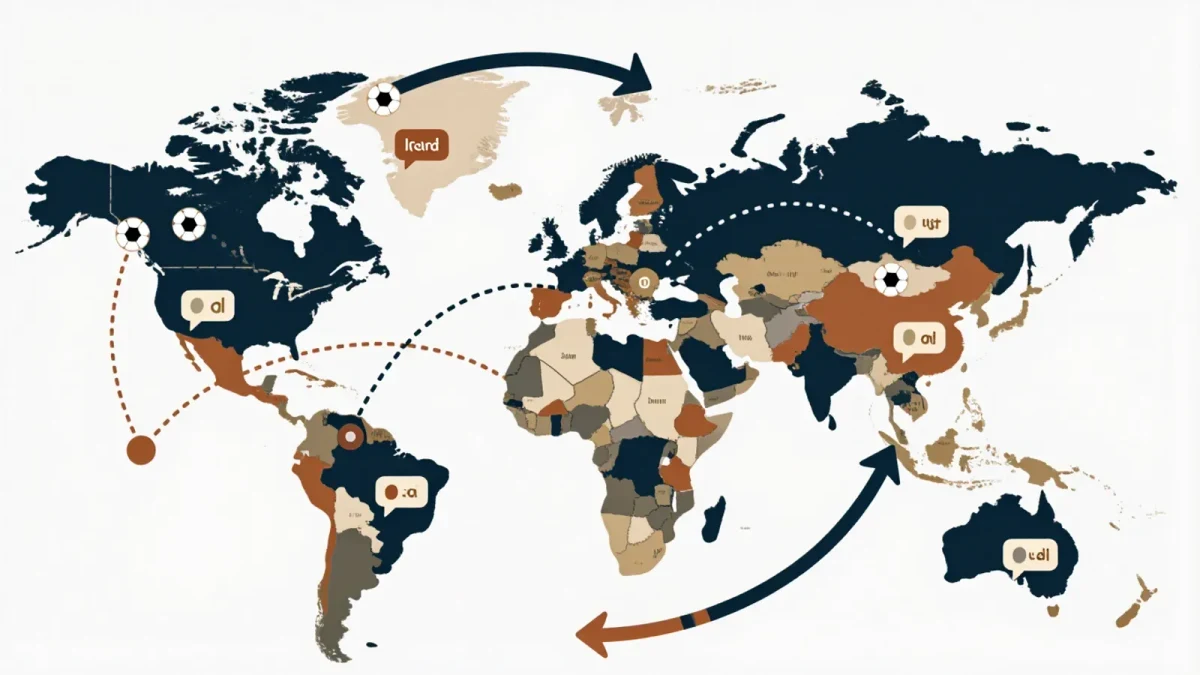
How football language crossed borders and never left
A Panenka in Prague, a rabona in Buenos Aires, a clean sheet in Tokyo — football's vocabulary travels lighter than its players.
Clubs examined as institutions: recruitment models, squad planning, sporting director appointments, wage structures and the fit between board and coach.
A Panenka in Prague, a rabona in Buenos Aires, a clean sheet in Tokyo — football's vocabulary travels lighter than its players.
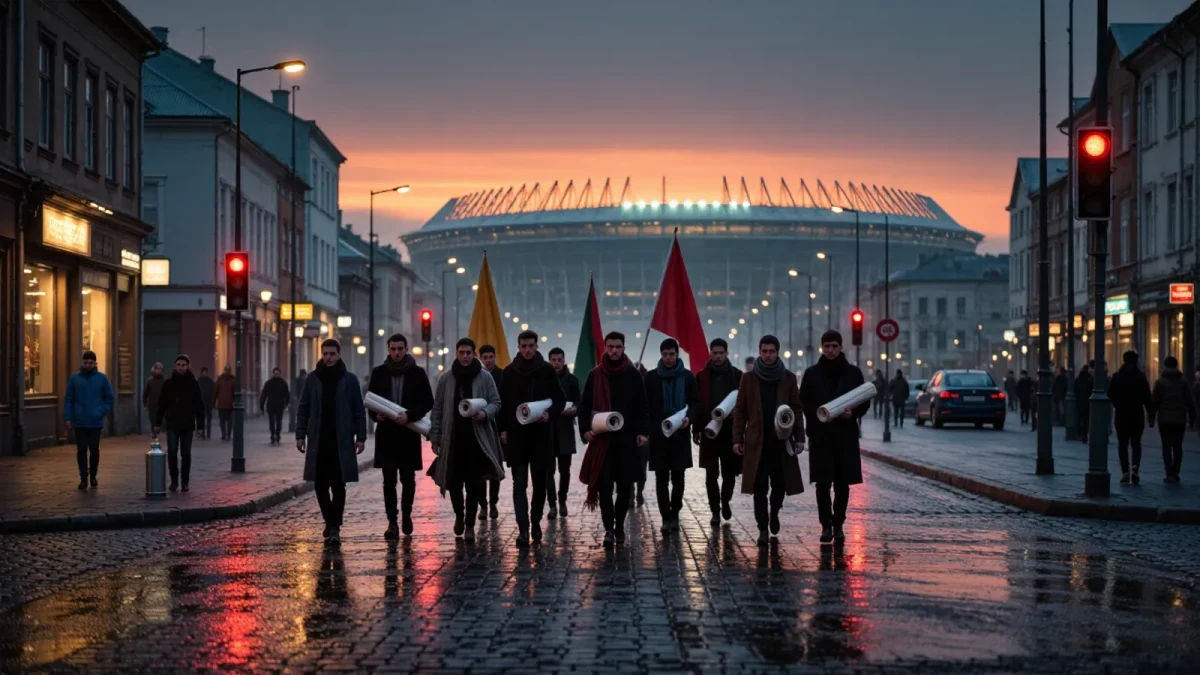
In an era when every match is on a screen, supporters still cross the country to stand in the worst seat in the stadium.
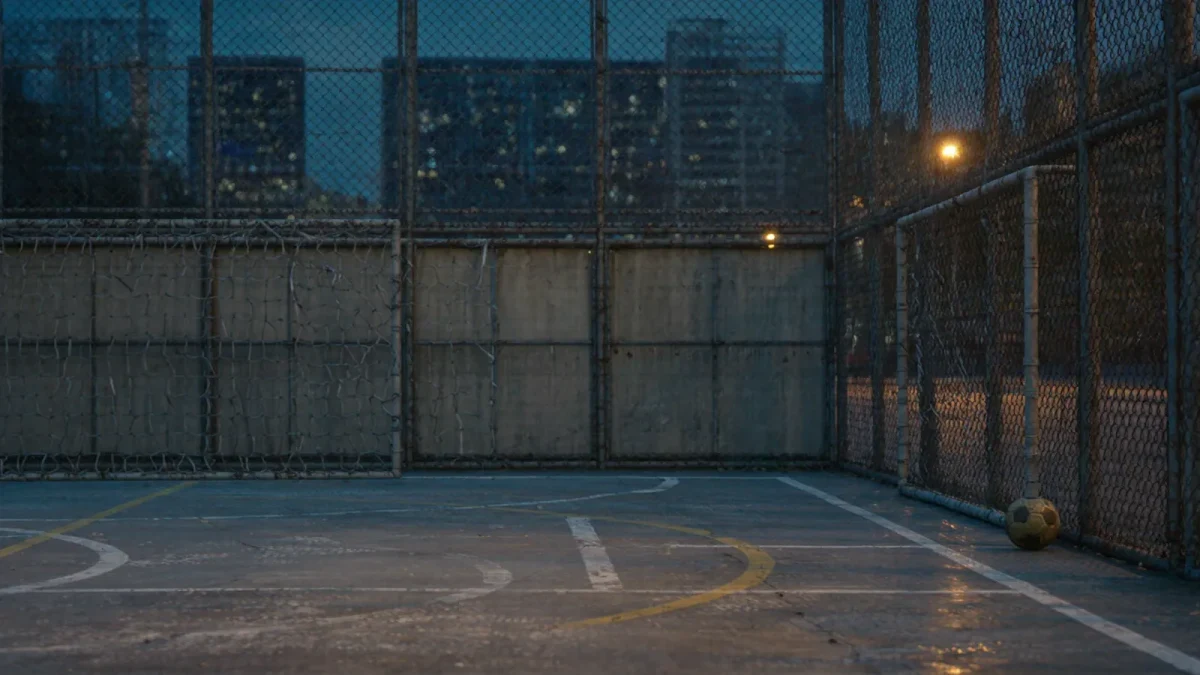
The cage, the futsal court and the five-a-side pitch keep producing players academies struggle to manufacture.
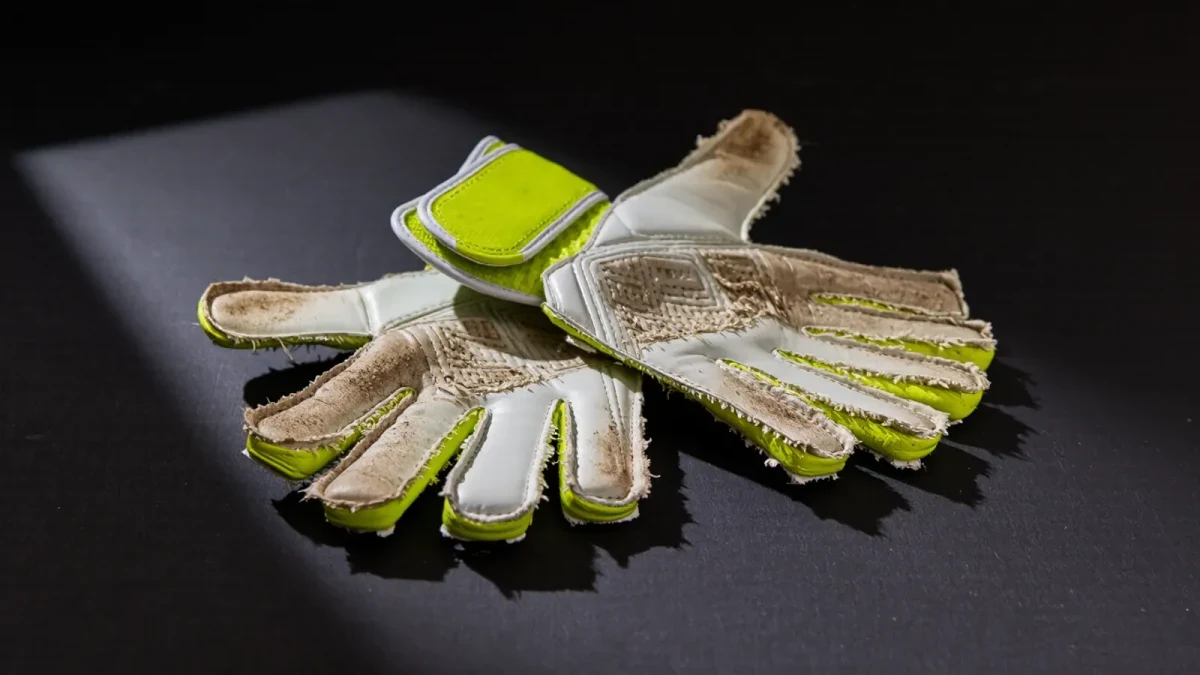
A piece of equipment designed to be worn out and thrown away is now framed, graded and auctioned — because scarcity happened by accident.
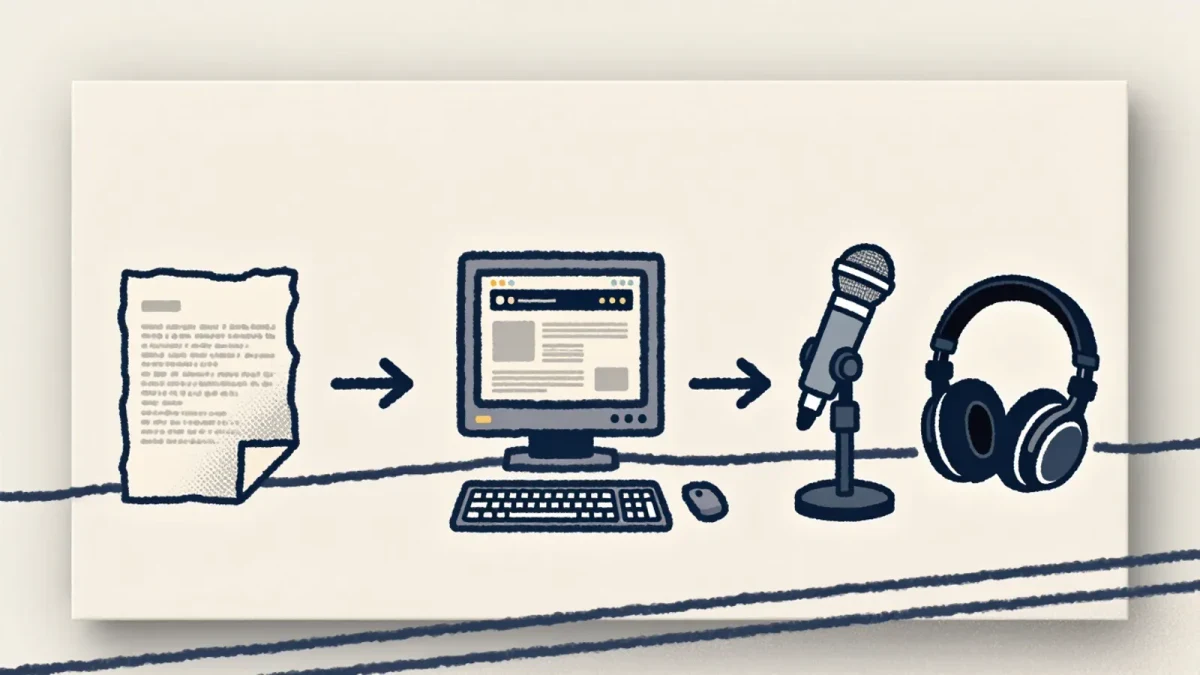
The photocopied match-day pamphlet did not die when print economics collapsed; it changed medium and kept its voice.
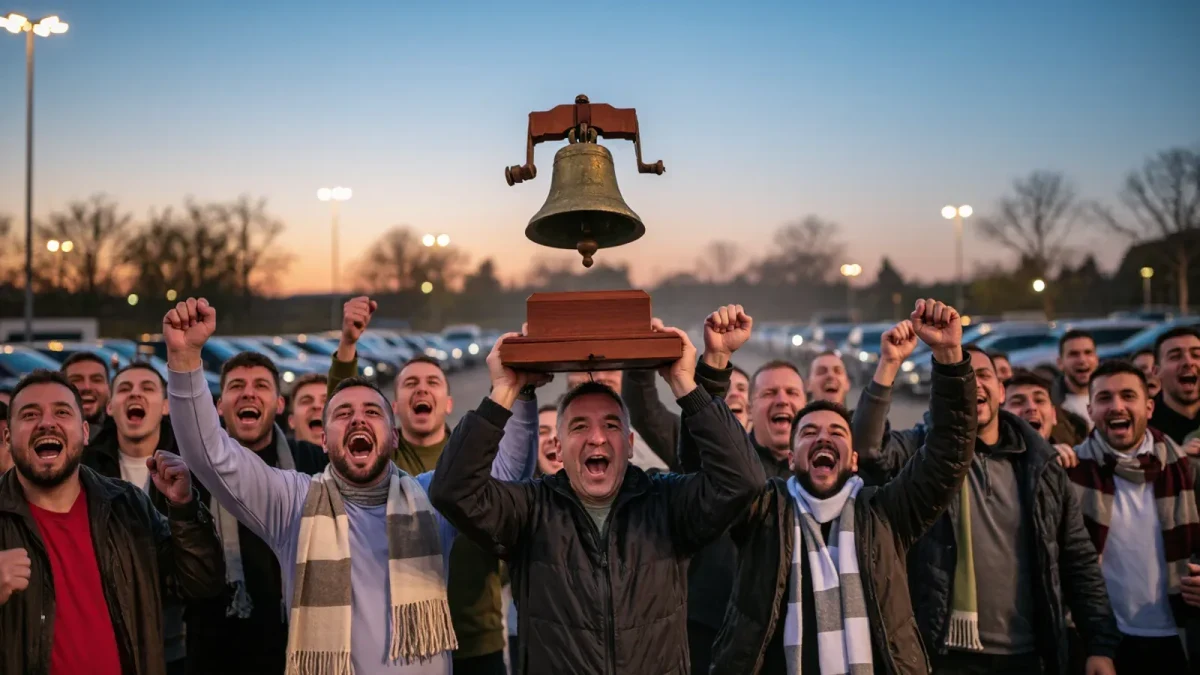
Some of football's most fiercely contested prizes are repurposed bits of hardware, borrowed hats and shipping artifacts — and fans would not trade them.