Topic
Why the false nine still disrupts rigid defensive structures
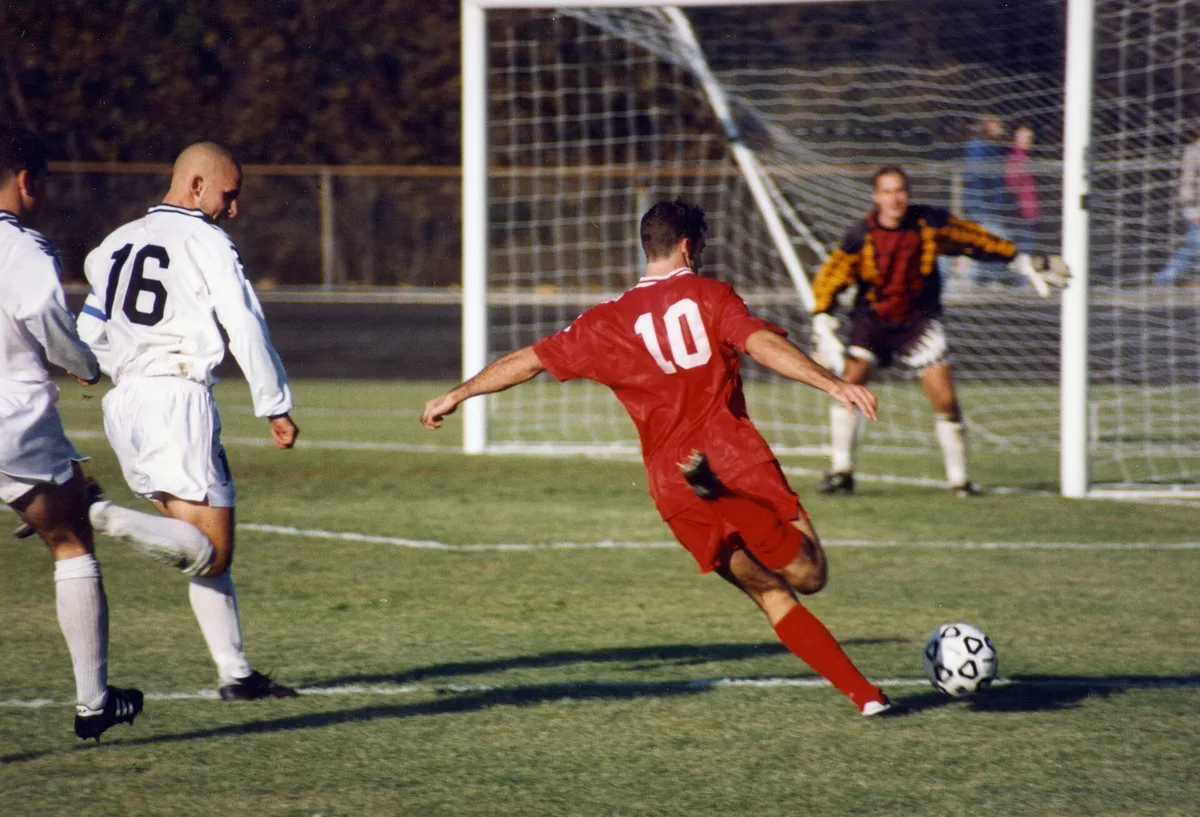
The false nine endures because it turns a clear defensive matchup into an unsolvable choice. Here is why the role still breaks rigid defensive structures.
The false nine endures because it turns a clear defensive matchup into an unsolvable choice. Here is why the role still breaks rigid defensive structures.
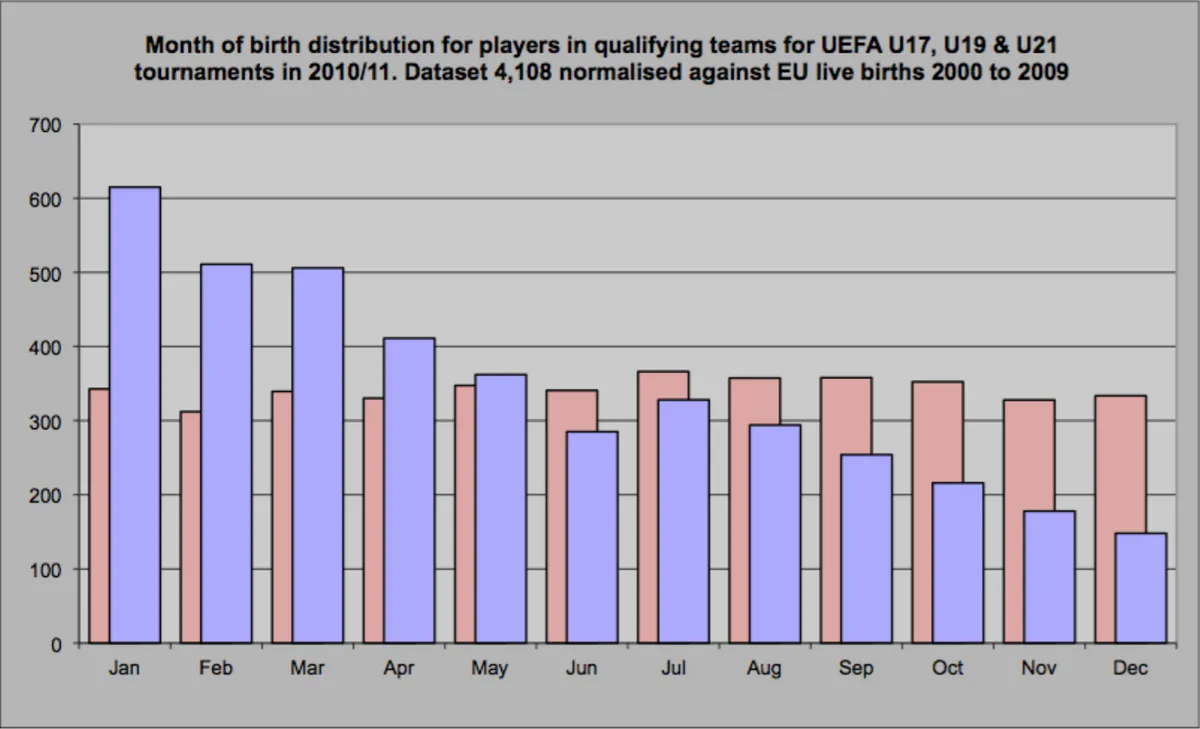
Birth month still shapes who gets picked in youth football. Here is how the relative age effect works and what clubs can do about it.
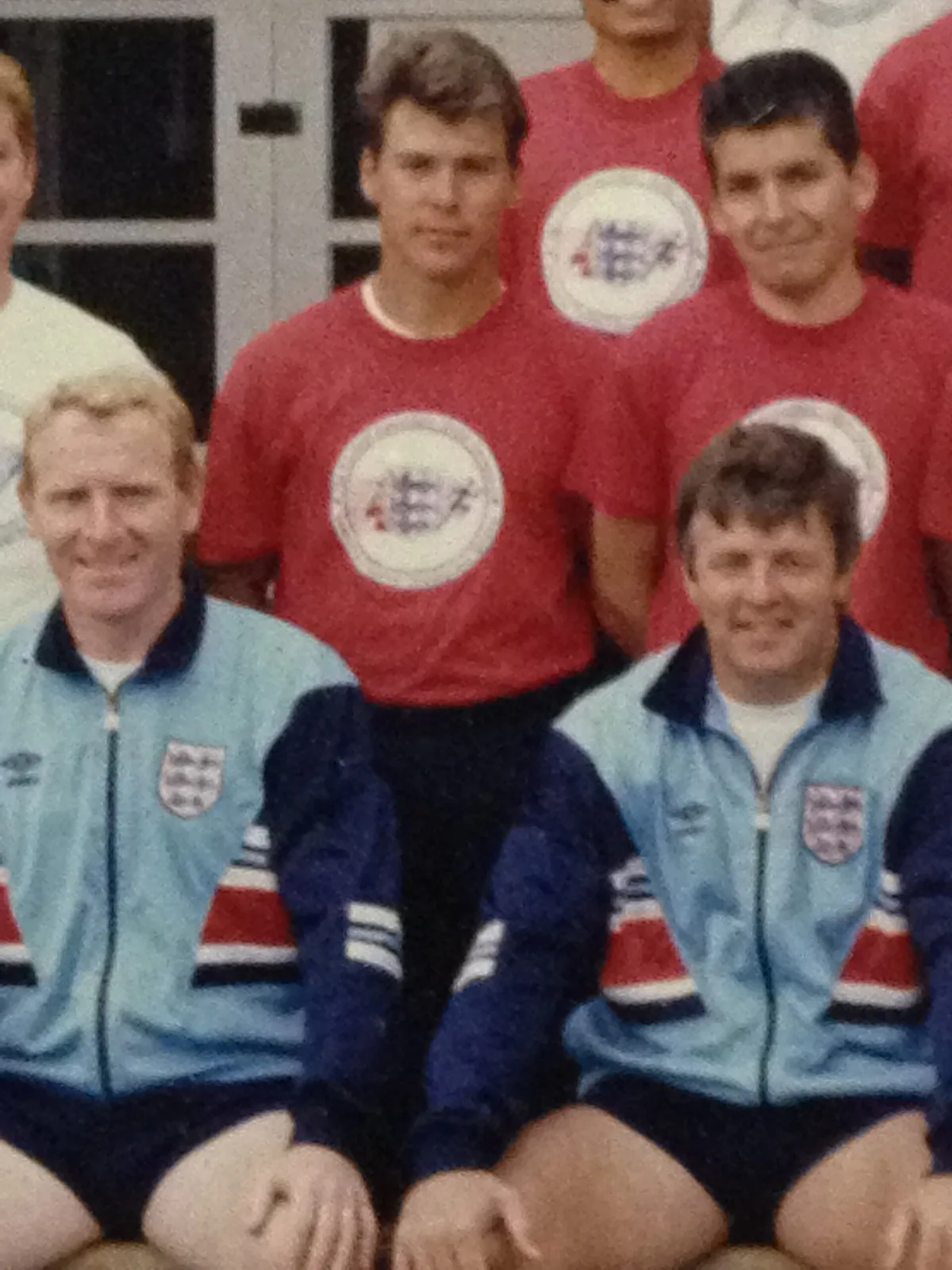
Coaching badges decide who guides young players and how far a coach can go. Here is how the qualification ladder shapes youth football pathways.
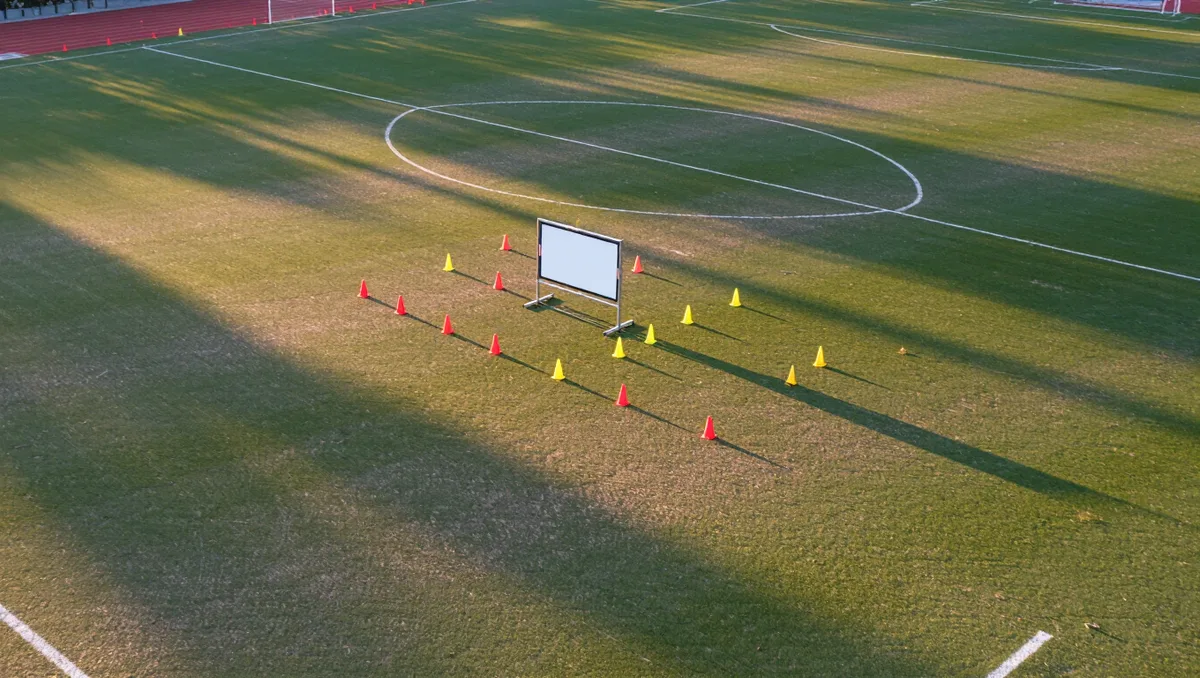
Neither style wins by itself. What separates winners from losers is how well a team matches its shape to its players and its game state.

The Premier League's spending power is structural, not seasonal — and the latest UEFA data shows how deep it runs.

The touchline position now asks for two players' worth of work in one body — and the game's tactics explain why.
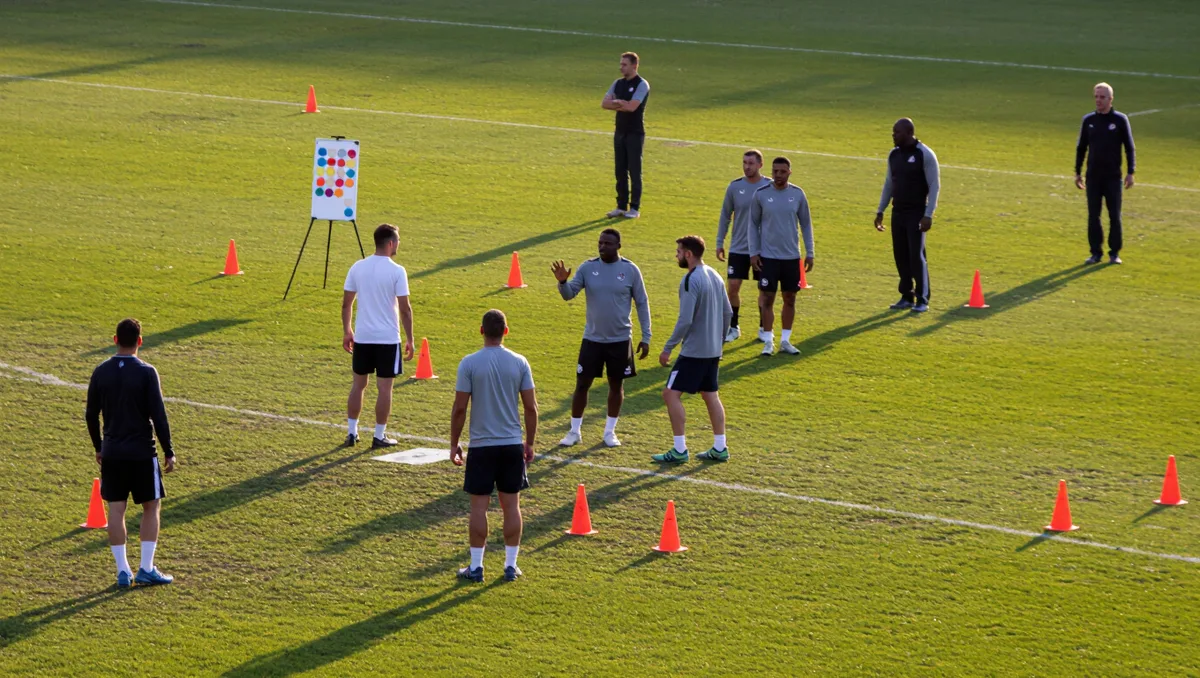
Futsal and 5-a-side compress the game into fewer touches and faster decisions — and the evidence behind that claim is simpler than most coaching debates.
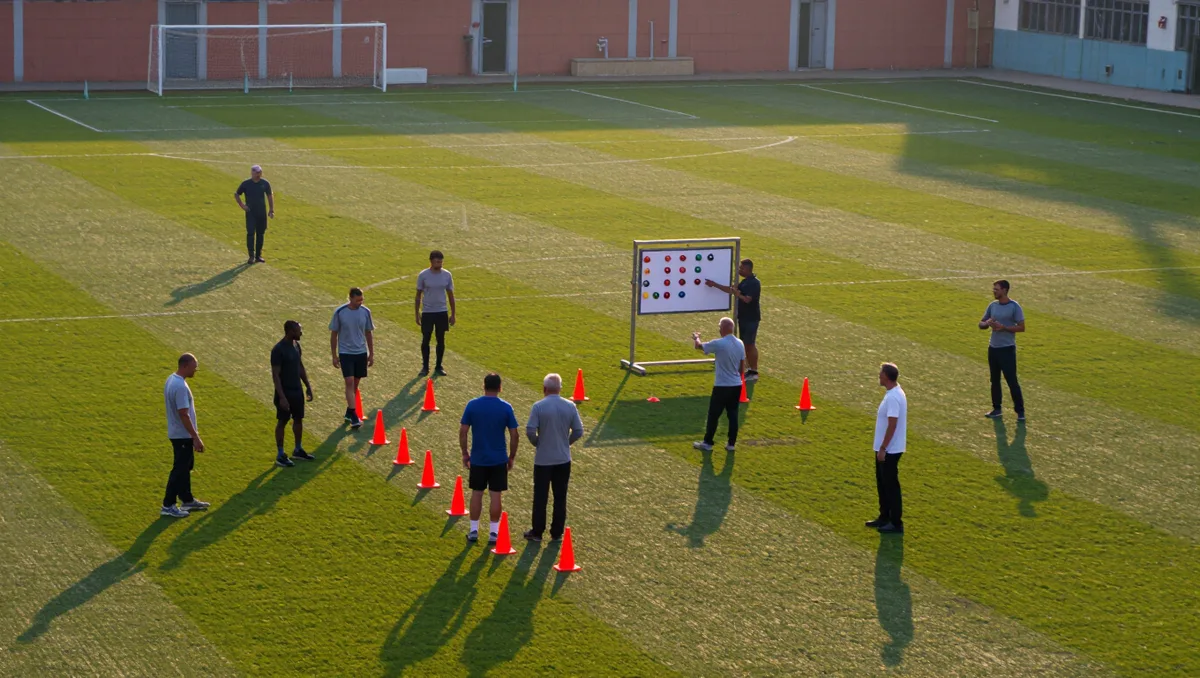
Academies that keep producing first-team players share habits, not budgets. Here is how the main models differ, and what each one costs a young player.

Squad-size caps, homegrown quotas and registration deadlines decide transfers before a fee is ever agreed.

Style, history, locality and community each pull a new fan in a different direction. Here is how the four fit together.